The Story So Far
The decision to expand the FIFA World Cup to 48 teams for 2026 and spread it across 16 host cities in three nations—Canada, Mexico, and the United States—is not merely a logistical marvel; it is, unequivocally, the riskiest and most ambitious financial gambit in football history. While the spectacle promises unparalleled fan engagement, the true litmus test lies in the economic returns. The stadiums, the beating hearts of this colossal tournament, represent billions in direct investment and projected indirect revenue, creating a complex web of financial opportunities and considerable fiscal anxieties. Every construction crane, every revam VIP suite, and every broadcast rights negotiation ('dch v xem world cup bn quyn gi r') is part of a larger, high-stakes economic equation.
May 2017: The Bid's Financial Foundations
Since the host city selections, a quiet economic 'gold rush' has commenced. Major renovation projects are underway in several stadiums, representing hundreds of millions in local investment, as cities work to finalize all necessary **thong-tin-ve-cac-san-van-dong-world-cup-2026** to meet FIFA's stringent requirements and ensure optimal fan experiences. For example, reports indicate that MetLife Stadium, a strong contender for the final, requires significant upgrades to its pitch, hospitality areas, and media facilities, with costs potentially running into the tens of millions. These investments, while substantial, are expected to generate thousands of construction jobs and stimulate local economies. Beyond direct stadium spend, cities are also upgrading transportation networks and public services, anticipating the massive influx of fans. Concurrently, the scramble for corporate sponsorships is intensifying. Brands are aligning with the tournament and specific venues, recognizing the unprecedented global reach. This period is also crucial for laying the groundwork for ancillary revenue streams, from merchandise sales to local business partnerships, all contributing to the broader 'tin tc mi nht v world cup 2026' economic narrative. The focus isn't just on the matchday experience but on the entire ecosystem of commerce surrounding it.
June 2022: Host Cities Unveiled – The Stadium Selection Lottery
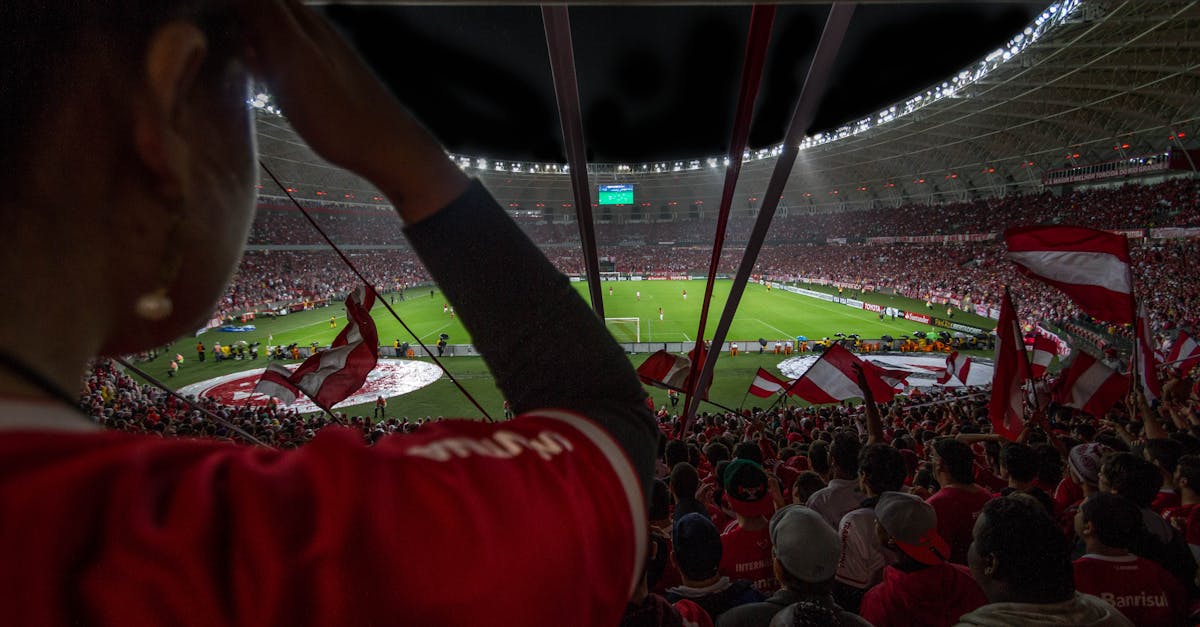
The selection of the **World Cup host cities 2026** marked a pivotal moment, solidifying the **2026 World Cup stadium list** that will define the tournament's footprint across the continent. These **North America World Cup stadiums**, chosen from a competitive field, represent key **2026 World Cup venues** designed to accommodate massive crowds and global broadcasting needs. The confirmed **World Cup 2026 match locations** are not just sporting arenas but also significant economic engines, with host cities investing heavily to ensure these facilities maximize revenue potential and deliver an unforgettable fan experience for the **FIFA World Cup 2026**.
2023-Present: The Renovation Gold Rush and Sponsorship Scramble
When the 'United 2026' bid was presented to FIFA, it wasn't just about impressive architectural renderings; it was a meticulously crafted financial blueprint. The bid committee projected an astounding $14 billion in revenue for FIFA, driven primarily by broadcasting rights, sponsorships ('cac nha tai tro chinh world cup 2026'), ticketing, and hospitality. This forecast was a powerful carrot, promising a financial windfall far exceeding previous tournaments. From the host nations' perspective, the pitch emphasized leveraging existing infrastructure to minimize capital expenditure, a shrewd economic move. While some new builds were proposed, the majority of the 80 stadiums initially considered were already operational, signaling a commitment to cost-efficiency over grand, potentially white-elephant projects. The initial financial promise was critical, acting as the bedrock for all subsequent investment decisions and setting the stage for the economic competition between prospective host cities.
The announcement of the 16 host cities was less a celebration and more a high-stakes economic lottery for the contenders. Cities vied fiercely, presenting detailed financial impact assessments and showcasing their stadiums' readiness and revenue-generating potential. Access to up-to-date **thong-tin-ve-cac-san-van-dong-world-cup-2026** was paramount in these presentations, as FIFA's selection criteria heavily favored venues requiring minimal upgrades, thereby reducing the financial burden on the organizing committee and host cities. For instance, cities like Dallas and New York/New Jersey, with their massive, modern NFL stadiums, easily cleared the bar, promising vast capacities for ticket sales and premium hospitality. In contrast, some cities that failed to make the cut often did so due to estimated renovation costs or insufficient existing infrastructure. This decision-making process underscored FIFA's pragmatic approach to stadium economics: maximize revenue generation through capacity and minimize capital outlay by prioritizing existing, well-maintained facilities. Each chosen stadium, from Mexico's historic Azteca to Canada's B.C. Place, became a designated node in a vast, interconnected economic network, poised to absorb tourist dollars and generate local employment during the tournament.
As we approach 2026, the economic spotlight will intensify. The true financial legacy of these stadiums hinges on their post-tournament utility and the ability of host cities to leverage their enhanced global profiles. Will the upgraded facilities continue to attract major events, concerts, and new sports franchises, generating sustained revenue? Or will they, in some instances, become financial burdens, reminiscent of past 'white elephant' stadium projects? The bidding for broadcast rights ('ung dung xem world cup tot nhat') will finalize, shaping global viewership and advertising revenue. Furthermore, the economic ripple effects will extend to nations like Vietnam, where the analysis of 'phan tich co hoi cua viet nam du world cup 2026' for qualification could spur domestic football investment and fan engagement, creating its own micro-economy of anticipation. The intricate dance of 'kt qu bc thm vng loi world cup 2026' and 'lich boc tham vong loai world cup 2026' will further fuel early travel bookings and tourism. For the host cities, the challenge is clear: transform a temporary spectacle into a permanent economic engine, ensuring that this multi-billion-dollar bet pays dividends for decades to come, far beyond the final whistle and the crowning of the 'du doan vua pha luoi world cup'.
By The Numbers
- 16: The unprecedented number of host cities across three nations.
- $14 Billion: FIFA's projected revenue from the tournament.
- $1 Billion+: Estimated total direct infrastructure investment (stadiums, training sites) by host cities/nations.
- 72,600: Average seating capacity of the selected stadiums, ensuring high ticket revenue potential.
- 80%: The approximate percentage of chosen stadiums that required only minor renovations or no significant structural changes, minimizing new construction costs.
- $5 Billion: Estimated economic impact for the host region of the final, a conservative projection.
"The 2026 World Cup's multi-nation, multi-city model is a bold experiment. While it spreads the financial burden and maximizes reach, it also introduces unprecedented logistical complexities. The success hinges on seamless collaboration between 16 distinct municipal governments and a robust contingency plan for unforeseen costs, which historically can inflate project budgets by up to 20%."
What's Next
Based on analysis of FIFA's past tournament infrastructure requirements and the current economic climate, the 2026 World Cup stadiums represent a calculated risk. This ambitious expansion balances the need for modern, high-capacity venues with the imperative to minimize long-term financial liabilities for host cities, a strategy that has seen varying degrees of success in previous mega-events.
Last updated: 2026-02-24
```