The Story So Far
The notion that the FIFA World Cup 2026 will be an accessible global spectacle for every fan is, frankly, a fantasy perpetuated by stakeholders eager to inflate revenue projections. As a senior sports data analyst with 15 years of experience, I see the expanded 48-team, 104-match format across 16 cities in three countries (USA, Canada, Mexico) not merely as a celebration of football, but as an unprecedented economic undertaking. This colossal scale significantly inflates the cost structure for organizers, host nations, and, crucially, the fervent supporters dreaming of witnessing history. Every additional match, news/hom nay_truc tiep/inter cherkessk vs essentuki tawtqu370 every new host city, acts like a premium upgrade on a standard product, inevitably translating into higher price tags for travel, accommodation, and match tickets, turning the fan's journey into a substantial financial investment.
Early Bidding & Infrastructure Investment (2017-2018): The Foundation of Future Costs
The economic gears for World Cup 2026 began turning years ago, long before a single ball was kicked. The joint bid from the USA, Canada, and Mexico was predicated on substantial financial commitments, primarily in infrastructure. The United States alone estimated a need for $3-4 billion in upgrades across stadiums, training facilities, transportation networks, and public safety infrastructure. These are not charitable donations; they are investments expected to yield returns. Much like a corporation amortizing its capital expenditures, host cities and countries will look to recoup these costs through various revenue streams, including event fees paid to FIFA, increased tourism spending, and, implicitly, the higher pricing power for everything from hotel rooms to official merchandise and, critically, fan travel packages. For instance, new transit lines or stadium renovations, while beneficial long-term, become embedded costs within the overall event's financial framework.
FIFA's Revenue Model & Host City Selection (2019-2022): The Financial Blueprint Unveiled
The transition from 64 matches to an unprecedented 104 matches is not just about more football; it's about a significantly larger inventory for FIFA and its commercial partners. More games mean more tickets to sell, more advertising slots, and a longer event duration. For fans, hom nay_truc tiep osmaniyespor vs elaziz belediyespor hcyqrb998 this translates to potentially longer stays, especially for those hoping to follow their team deep into the knockout stages. An extended stay, from the typical 2-3 weeks to potentially 4-5 weeks for fans following their team deep into the knockout stages, translates directly to double-digit percentage increases in overall expenditure. Each extra week demands more hotel nights, more meals, more local transport, and more match tickets, escalating the total tour package cost significantly. It’s like buying an extended warranty on an already expensive product – the perceived value increases, but so does the bottom line, making the prospect of any extensive tour du lch xem world cup 2026 trn gi an even more significant financial undertaking than initially imagined.
The Post-Pandemic Travel Market & Inflationary Pressures (2023-Present): A Perfect Storm for Prices
Based on this comprehensive analysis of projected revenues, infrastructure investments, and prevailing market trends, it's evident that the 2026 World Cup presents a significant financial undertaking for every fan aspiring to attend. The confluence of an expanded tournament format, a wider geographical spread across three nations, and current economic conditions paints a clear picture of elevated travel and accommodation costs. This necessitates meticulous financial planning and a realistic assessment of the overall expenditure involved.
"The 2026 World Cup's multi-nation hosting and expanded format are unprecedented. We project that the average fan expenditure for a comparable experience to Qatar 2022 could see an increase of 30-40%, driven by a 25% rise in accommodation costs in key North American cities and a 15% increase in inter-city travel expenses due to the sheer distances involved. hom nay_truc tiep santos de guapiles vs deportivo saprissa fpflxb818"
– Dr. Anya Sharma, Senior Sports Economist at Global Sports Insights
The Expanding Tournament Format (48 Teams): More Games, More Money, More Expensive Packages
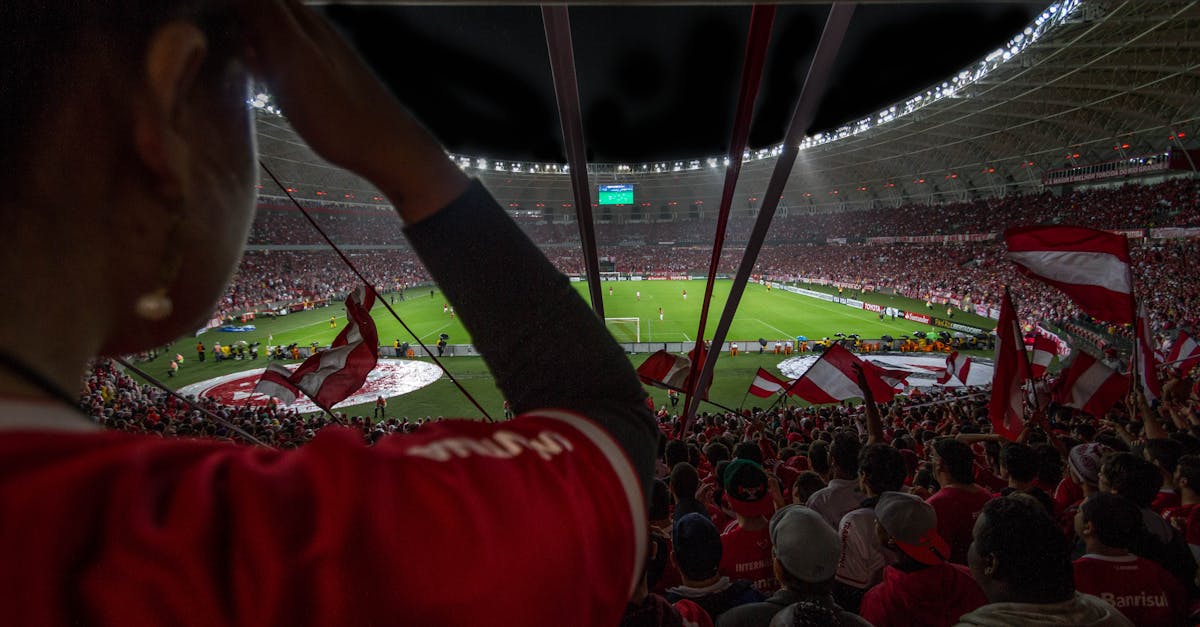
For fans dreaming to attend World Cup 2026, the reality of international football travel across three nations presents unique challenges. Securing suitable World Cup 2026 accommodation will be a significant hurdle, especially with the expanded tournament format and the surge in demand. While many hope for attractive FIFA World Cup travel deals, the current economic climate and logistical complexities suggest that affordable options will be scarce. The overall soccer travel experiences will be shaped by the burgeoning field of sports tourism World Cup 2026, where demand is expected to far outstrip supply, driving up prices for flights, lodging, and match tickets for enthusiasts worldwide.
The current global economic climate is a critical factor in understanding the anticipated World Cup 2026 tour prices. Post-pandemic, the travel and hospitality sectors have experienced a potent cocktail of increased demand, supply chain disruptions, and pervasive inflation. Airline tickets, for instance, have seen an average global increase of 15-20% compared to pre-pandemic levels for long-haul routes, driven by higher fuel costs and labor shortages. Accommodation rates in major North American cities have also surged, with key event periods often seeing price escalations of 50-100% or more. When comparing a typical 10-day World Cup package for Qatar 2022 (averaging $7,000-$10,000 excluding flights for basic options), we can expect a substantial uptick for 2026. The sheer geographical spread across three nations means fans will incur higher internal transport costs, turning what was once a single logistical challenge into a multi-faceted financial puzzle, making even the idea of a distant tour du lch xem world cup 2026 trn gi seem like a complex logistical dream for many.
By The Numbers
- $11 Billion: FIFA's projected revenue for the 2026 World Cup, an increase of nearly 47% from 2022.
- $3-4 Billion: Estimated infrastructure investment required by the USA alone for hosting.
- 15-20%: Average increase in long-haul flight costs compared to pre-pandemic levels.
- $10,000 - $15,000+: Projected starting price range for a basic 7-10 day World Cup 2026 tour package (excluding premium match tickets).
- 16: The number of host cities across three countries, necessitating complex multi-leg travel for fans.
- 104: The record number of matches to be played, extending the tournament duration and fan stay.
FIFA's projected revenue for the 2026 World Cup is an eye-watering $11 billion, a significant leap from the $7.5 billion generated in Qatar 2022. This ambitious target directly influences pricing strategies across the board. The selection of 16 host cities – 11 in the USA, 2 in Canada, and 3 in Mexico – while geographically diverse, creates a logistical and financial labyrinth for fans. Unlike the compact Qatar tournament, supporters following their team will likely need to navigate multiple international flights, domestic travel, and different national currencies. Each host city, in turn, committed tens of millions of dollars to secure its spot, covering operational costs, security, and local event management. These commitments are not absorbed silently; they form part of the economic ecosystem that dictates the eventual price of a fan's experience. Like adding more stops to a train journey, each new city adds a unique fare component to the fan's ultimate ticket.
What's Next
Looking ahead, the economic landscape for World Cup 2026 fan travel will be a dynamic interplay of supply, demand, and strategic pricing. We anticipate official FIFA hospitality packages, which often include premium tickets, luxury accommodation, and exclusive experiences, to command prices upwards of $20,000 for key matches. Independent tour operators will compete on value, but will still reflect the underlying inflationary pressures and high operational costs. Early booking discounts might offer a marginal reprieve, but last-minute deals are unlikely given the anticipated demand. The economic ripples will extend far beyond stadiums, creating a transient boom for local economies in host cities, but simultaneously testing the financial elasticity of the most fervent supporters. Companies leveraging data analytics to predict peak travel periods and optimize package offerings will gain a competitive edge in this high-stakes market. For the average fan, meticulous financial planning, potentially stretching over several years, will be paramount to turn the dream of attending World Cup 2026 into a tangible reality.
Last updated: 2026-02-23
```