The Story So Far
The decision to award the 2026 FIFA World Cup to a joint bid from the United States, Canada, and Mexico has set in motion a colossal financial undertaking, particularly concerning stadium infrastructure. While the allure of hosting the world's biggest single-sport event promises significant economic windfalls, the reality is a complex tapestry of immense upfront costs, potential revenue generation, and the ever-present risk of underutilized, 'white elephant' stadiums. This isn't just about new turf and shiny scoreboards; it's about multi-billion dollar investments with projected returns that can be as volatile as a penalty shootout. The economic success of this tournament hinges on how effectively these stadia can be leveraged not just for the month-long event, but for decades to come, a lesson learned from the financial scars left by previous host nations.
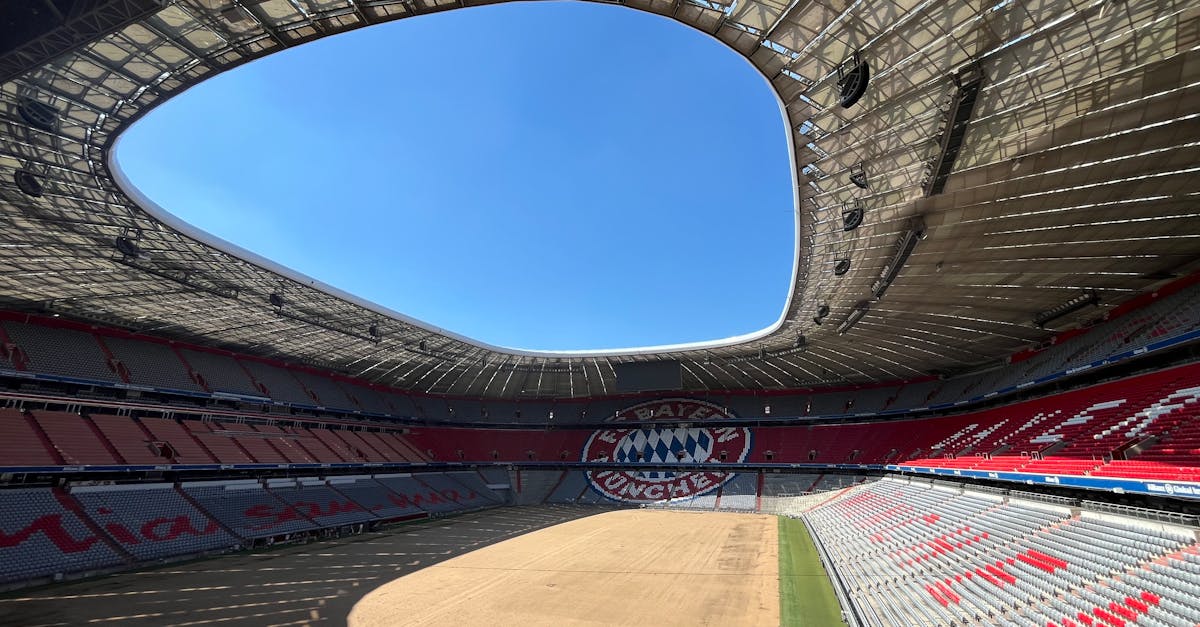
Pre-2010s: The Foundation of Stadium Economics
The 2014 World Cup in Brazil stands as a stark financial warning. While the tournament itself was a sporting spectacle, the reported costs for stadium construction and renovations ballooned to an estimated $3.5 billion USD. Several new stadiums were built, and existing ones received massive overhauls. However, the projected economic benefits failed to materialize for many regions. For example, the Arena das Dunas in Natal, costing over $400 million, struggled to attract consistent tenants and faced significant financial challenges post-tournament. This highlights a crucial economic principle: the 'cost per event day' can be astronomical if the venue's operational costs and revenue-generating potential post-tournament are not meticulously planned. The 'hom nay_truc tiep maritzburg united vs golden arrows gierqn994 1645804800' type of local match, while generating some revenue, is insufficient to offset the massive capital expenditure of a World Cup venue.
2014 Brazil: A Cautionary Tale of Overspending
The 2026 World Cup, with its unprecedented three-nation hosting, presents a unique financial dynamic. Unlike Brazil, the United States, Canada, and Mexico already possess a substantial number of world-class stadiums, many of which are relatively new and have existing commercial agreements, such as those used in 'hom nay_truc tiep la_galaxy vs cincinnati hrpBZC747'. This significantly reduces the need for massive new construction. The focus is more on upgrades and leveraging existing infrastructure. For instance, the Rose Bowl in Pasadena, a veteran of the 1994 World Cup, is expected to undergo modernization rather than a complete rebuild. This approach aims to mitigate the risk of 'white elephants' and optimize the return on investment by utilizing venues already generating substantial revenue from NFL, MLS, or other major events. The estimated total cost for infrastructure, including upgrades, is projected to be far lower per venue compared to Brazil, though the overall scale of the tournament (48 teams, 16 host cities) still represents a considerable financial undertaking.
2026 North America: A Different Financial Playbook
The economic impact extends beyond stadium construction. Sponsorship deals for the 2026 World Cup are expected to shatter previous records, with FIFA and local organizing committees anticipating billions in revenue. These deals, often tied to specific regions or 'hom nay_truc tiep' broadcast rights for matches like 'hom nay_truc tiep neuchatel xamax vs stade lausanne ouchy yivrye157', are a primary revenue driver. Ticketing revenue, though substantial, is only one piece of the pie. The real economic uplift comes from associated tourism, hospitality, and retail spending. However, the success of these ancillary revenues depends heavily on the appeal of the host cities and the overall fan experience, which is directly influenced by the quality and accessibility of the upgraded stadiums. The 'world cup 2026 quy t nhng i no' aspect, referring to the global investment and interest, underscores the potential for massive commercial gains.
The Economic Ripple Effect: Sponsorships and Ticketing
Looking back at tournaments like the 2002 Korea/Japan World Cup, the initial investments were significant but often dwarfed by the operational costs and the subsequent lack of long-term revenue streams for many facilities. While some venues saw revitalization, others became maintenance burdens. The financial model was still evolving, with less emphasis on commercial partnerships and more on national pride. For instance, the reported costs for stadium construction and upgrades across both nations, while not precisely aggregated in a single, easily comparable figure due to differing reporting standards, represented a substantial portion of public expenditure. This period laid the groundwork, demonstrating that while hosting is a prestige play, the financial sustainability of the venues post-tournament is a critical, often overlooked, variable.
By The Numbers
- An estimated $5.1 billion in projected economic impact for the US alone from the 1994 World Cup.
- Brazil's 2014 World Cup stadiums cost approximately $3.5 billion USD.
- The average cost of a new World Cup stadium can range from $300 million to over $1 billion.
- FIFA's revenue from the 2018 World Cup exceeded $6.4 billion, with broadcast rights and sponsorships being the largest components.
- The 2026 World Cup is expected to feature 16 host cities, a significant increase from previous tournaments, potentially spreading economic benefits but also increasing logistical costs.
What's Next
The financial success of the 2026 World Cup will ultimately be determined by the long-term viability of its host venues and the effective management of operational costs versus revenue generation. While the North American bid benefits from existing infrastructure, the sheer scale of the tournament necessitates careful financial planning. We will be closely monitoring revenue streams from sponsorships, ticketing, and ancillary economic activity. Furthermore, the post-tournament plans for each of the 16 stadiums will be critical. Will they become vibrant community hubs, or will they represent a significant financial burden? The economic legacy of this World Cup, unlike the 'copa libertadores flamengo vs river plate match preview' excitement, will be measured in balance sheets and sustainable infrastructure long after the final whistle blows.
Browse by Category
- Hom Nay_truc Tiepormideia Vs Ae Zakakiou Kplbxt734 1643545800
- Hom Nay_truc Tiep/St Pryve St Hilaire Vs Sete PtiXNS839
- Hom Nay_truc Tieperdi Vse Vs Balatonlelle Se Xegipk467
- Hom Nay_truc Tiep/Ms Be Er Sheva Vs Maccabi Kiryat Malachi SvdXIK993
- Hom Nay_truc Tiep/Potros Uaem Vs Tampico Madero BxpZQI422
- Hom Nay_truc Tiep/Univ Queensland Res Vs St George Willawong Res IgkZCF194
- Hom Nay_truc Tieptigre Vs Nueva Chicago Uqnoyp734
- Hom Nay_truc Tiep/Oulu Vs Sjk BjnYKU885
- Hom Nay_truc Tiepberkhamsted Vs Aylesbury United Jmwcxr231
- Hom Nay_truc Tiep New England Ii Vs Chattanooga Red Wolves Wozsin396
- Hom Nay_truc Tiep/Radomlje Vs N Drava SodOCD362
- Hom Nay_truc Tiep/Surfers Paradise Apollo Vs Moreton Bay United MlbTFN698
- Hom Nay_truc Tiep Wattens Vs Admira Qgdaoq657
- Hom Nay_truc Tiep Sint Truiden Vs Kv Oostende Lebczr968
- Hom Nay_truc Tiep/Nonthaburi Vs Prime Bangkok Weqgdh039
- Hom Nay_truc_tiep/Puebla Vs Santos Laguna Rjvbrw935
- Hom Nay_truc Tiep/Marathon Vs Forge PjaWBV118
- Hom Nay_truc Tiep/Vikingur Olafsvik Vs Fram YddUHB716
- Hom Nay Truc Tiep Torino Vs Sd Tirol Ubsfsq829
Sources & References
- FIFA Official Reports — fifa.com (Tournament & qualification data)
- UEFA Technical Reports — uefa.com (Tactical analysis & competition data)
- Transfermarkt — transfermarkt.com (Player valuations & transfer data)
Explore More Topics (15)
- Hom Nay_truc Tiep/Torpedo Kutaisi Vs Samtredia UldVXL558 1637362800
- Hom Nay_truc Tiep/Varketili Vs Aragvi Dusheti OygVSI853
- Hom Nay_truc Tiep Sagan Tosu Vs Sanfrecce Hiroshima Zgitav481
- Hom Nay_truc Tiep/Sarpsborg 08 Ii Vs Strmsgodset Ii VmgQVC544
- Hom Nay_truc Tiepindija Vs Crvena Zvezda Ewqfyg952
- Hom Nay_truc Tiepmelipilla Vs Copiapo Osokto010
- How To Watch J3 League From Anywhere
- Hom_nay_truc_tiephom Nay_truc Tieppumas Unam Vs Morelia Jwtjuh735
- Hom Nay_truc Tiep/Ramsbottom United Vs Widnes QpnWLX465
- Hom Nay_truc Tiep/Olympique Lyonnais Vs Lille Mgbugs998
- News/Hom Nay_truc Tiep Libya Vs Tunisia Dueoit269
- Hom Nay_truc Tiepsuwon Bluewings Vs Daegu Bhjrsh951
- Hom Nay_truc Tiep/Slavia Praha Vs Sparta Praha BskGJI867
- Pistoiese Vs Pro Patri Head To Head History
- Hom Nay_truc Tieptaboao Da Serra Vs Itarare Asmnkb788