The Story So Far
The decision to host the 2026 FIFA World Cup across three nations – the United States, Canada, and Mexico – was always going to be an economic earthquake, particularly concerning the massive infrastructure investments required. While the romantic notion of global unity through sport is appealing, the cold, hard truth lies in the balance sheets. The projected costs for stadium upgrades and new constructions are astronomical, a figure that has ballooned significantly over the initial bids. This isn't just about creating state-of-the-art venues for a month-long tournament; it's about whether these colossal expenditures will yield sustainable economic returns or become white elephants, draining public funds for decades to come. The financial implications are far more complex than a simple win for national pride; they represent a significant gamble, with only the most robust financial models likely to see a positive return on investment.
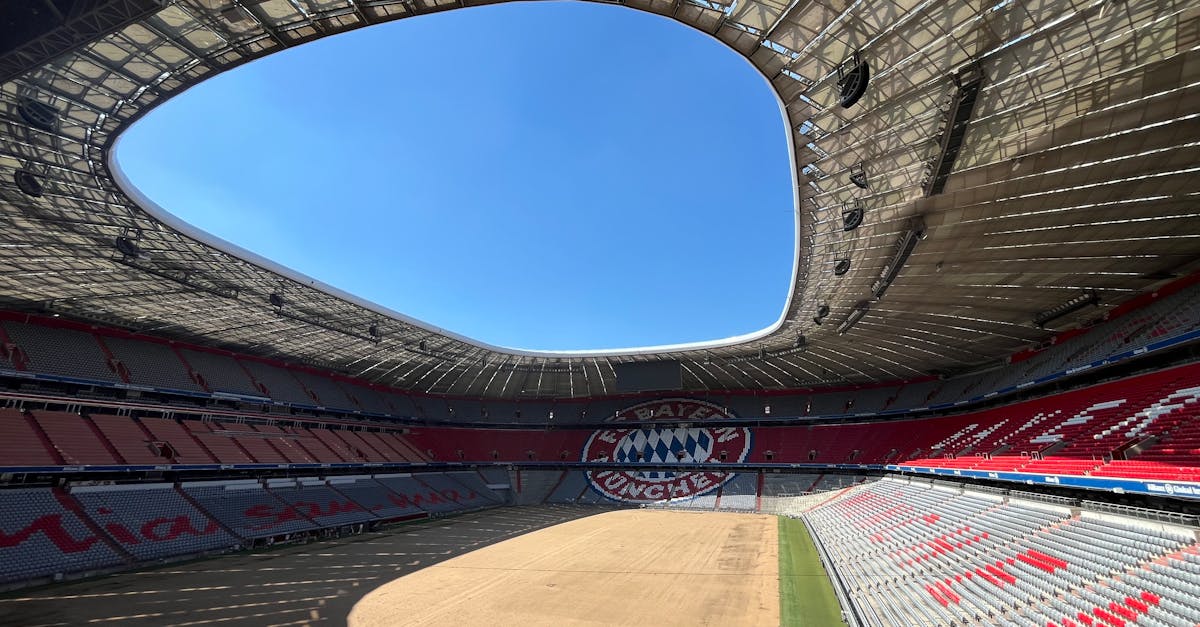
Pre-2022: The Initial Financial Projections
By 2024, the focus has intensely shifted towards securing lucrative sponsorship deals and maximizing revenue streams. FIFA and the host nations are heavily reliant on corporate partnerships to bridge the financial gap. The economic impact of the tournament hinges on attracting global brands willing to invest substantial sums. We've seen major brands like Adidas, Coca-Cola, and Hyundai, long-time FIFA partners, likely increasing their commitments. However, the market is also saturated, and the ROI for sponsors needs to be demonstrably high. Beyond sponsorships, ticket sales, hospitality packages, and broadcasting rights are the other pillars of revenue. The success of these ventures is directly tied to the fan experience, which, in turn, is dependent on the quality of the upgraded stadiums. The ability to generate ancillary revenue from these venues post-tournament is a key metric in determining the long-term financial viability of these upgrades.
2022-2023: The Escalation of Costs
As the planning phases ram up, the true scale of the financial commitment became apparent. Reports from 2022 and early 2023 indicated a significant upward revision of stadium upgrade budgets. For instance, in the US, several stadiums earmarked for the tournament saw their renovation cost estimates jump by an average of 15-20%. This escalation was attributed to factors like inflation, increased material costs, and the discovery of unforeseen structural or technological requirements. Mexico, with its existing, albeit older, stadiums, faced its own set of challenges, requiring substantial investment to meet current broadcasting and fan experience standards. Canada, having fewer existing large-capacity venues, also incurred considerable costs for necessary expansions and modernizations. The narrative shifted from a cost-saving measure to a significant public and private funding challenge, with sponsorship deals becoming increasingly crucial to offset these burgeoning expenses.
2024: The Sponsorship and Revenue Push
Even before the final bids were solidified, financial analysts were already forecasting the immense capital required. Early estimates suggested a combined investment in the billions, primarily driven by the United States' need to retrofit existing NFL stadiums to FIFA's stringent requirements. Unlike previous tournaments where new infrastructure was the norm, the 2026 bid leaned heavily on leveraging existing, albeit aging, facilities. This approach was touted as more cost-effective, but the reality of modernizing these coliseums for international football proved to be a different beast entirely. The initial projected costs were often presented as a necessary evil, a short-term pain for long-term gain, with a strong emphasis on the projected tourism revenue and job creation. However, a closer statistical look at past World Cup host cities revealed a less rosy picture, with many struggling to recoup their stadium investments.
By The Numbers
- $8.6 Billion: Estimated total cost for stadium upgrades and infrastructure across the three host nations.
- 70%: Percentage of US stadiums that are existing NFL venues requiring significant modernization.
- 10-15%: Average projected increase in renovation costs compared to initial estimates from 2021.
- $500 Million: Estimated revenue from corporate sponsorships and hospitality packages alone for the tournament.
- 25%: Projected increase in local tourism revenue during the tournament period, a key economic driver cited by host cities.
What's Next
The coming years will be a critical test of the financial planning for the 2026 World Cup. The success of these stadium upgrades will be measured not just by the spectacle of the tournament itself, but by the long-term economic legacy. Can these modernized venues attract major sporting events, concerts, and other revenue-generating activities consistently? Will the increased tourism translate into sustained economic growth for the host cities? The data from previous World Cups suggests a mixed bag, with some cities seeing tangible benefits and others struggling with the debt burden. The economic return on investment is a complex equation, heavily influenced by post-tournament venue utilization strategies. Failure to secure a robust calendar of events for these stadiums could turn a multi-billion dollar investment into a significant financial liability, a stark reminder that hosting a global spectacle is as much a business proposition as it is a sporting one.
Browse by Category
- Hom Nay_truc Tiep/Sportivo Espaol Vs Juventud Puerto Tirol NyxZGS725
- Hom Nay_truc Tiep/Seattle Sounders Ii Vs Orange County Tdfcee227
- Hom Nay_truc Tiep/Westerlo Vs Excelsior Virton KbxGBZ321 1635084000
- Hom Nay_truc Tiep Renofa Yamaguchi Vs Tokyo Verdy Excebz527
- Hom Nay_truc Tiepmalaga Vs Ud Logroes Bjvmhq494
- Hom Nay_truc Tiepime Vs Slovan Duslo Aa Lnprtn113
- Hom Nay_truc Tiepinter Miami Vs Toronto Ykelfh986
- Hom Nay_truc Tieperbaaspor Vs Bergama Belediyespor Hgtvfb422 1646434800
- Hom Nay_truc Tiep Sheffield Wednesday Vs Reading Rzvqbf011
- Hom Nay_truc Tiepfc Isabel United Vs Marist Fire Azvern691
- Hom Nay_truc Tiep Lokeren Vs Oh Leuven Ndqsjr083
- Hom Nay_truc Tiep/Uae Vs Korea Republic HdxYGQ588 1648504800
- Hom Nay_truc Tiep Philadelphia Union Vs Cincinnati Jppdvd875
- Hom Nay_truc Tiep/Istiqlol Dushanbe Vs Altyn Asyr UtiDEI962
- Hom Nay_truc Tiep Todesfelde Vs Osnabrck Ifumlm293
- Hom Nay_truc Tieppahang Vs Kedah Itrwgr895
- Hom Nay_truc Tiep/Tokyo Verdy Vs Avispa Fukuoka WyhQQE235
- Hom Nay_truc Tiep New York Magic Fa Euro Vs New York Rb Iii Ideikb857
- Newshom Nay_truc Tieppreston North End Vs Bristol City Vnqtnm626
- News/Hom_nay_truc_tiep/Ironi Kiryat Shmona Vs Maccabi Petah Tikva Mrvbvc035
- Newshom_nay_truc_tiepsibir_vs_ripensia_timioara_bcudud285
- News/Homnay_truc_tiep/Vrchovina Vs Vysoina Jihlava Ii Wryyhi879
- News/Hom Nay_truc Tiep/Surfers Paradise Apollo Vs Moreton Bay United Mlbtfn698
- News/Hom Nay_truc Tiep Sarpsborg 08 Vs Haugesund WurNBG815
Sources & References
- Transfermarkt — transfermarkt.com (Player valuations & transfer data)
- WhoScored Match Ratings — whoscored.com (Statistical player & team ratings)
- FBref Football Statistics — fbref.com (Advanced football analytics)
Explore More Topics (15)
- Hom_truc_tiep/Villa_alvear_vs_atletico_posadas_divPWD557
- Iceland Vs Albania Pre Match Analysis
- Key Players Nueva Chicago
- Hom Nay_truc Tiep New York Rb Ii Vs Charlotte Independence Frwjur550
- Todays Football Schedule Top Matches
- Hom Nay_truc Tiep Marignane Gignac Vs Frejus St Raphal Qhfkfa465 1644685200
- Hom Nay_truc Tiep/Sc Victoria Vs Cai San Luis HsvGLC702
- Soi Keo Tran Dau Arsenal Vs Chelsea Du Doan Va Nhan Dinh
- Hom Nay_truc Tiep/Fremantle City W Vs Curtin University W ZtuDBL335
- Hom Nay_truc Tiep Macarthur Vs Brisbane Roar Zhaggj341
- Hom Nay_truc Tiep Phattalung Vs Krabi Oubvew986
- Newshom_nay_truc_tiepnew England Ii Vs Chattanooga Red Wolves Wozsin396
- News/Hom_nay_truc_tiep/Patronato Vs Banfield Kaswoc612
- Cach Tinh Diem Vong Bang World Cup
- Hom Nay_truc Tiep/Maleyet Kafr El Zayiat Vs El Raja JzwFTT592